
Criminal Defense · Jeff T. Gorman Law Offices

Florida Criminal Appeals
When the Trial Was Wrong,
the Fight Isn’t Over.

A conviction is not always the final word. Florida’s appellate process provides multiple avenues to challenge trial court errors, constitutional violations, ineffective assistance of counsel, and newly discovered evidence. Criminal appeals are deadline-driven — you have 30 days from sentencing to file a direct appeal. The window is already running.
30-Day Direct Appeal Deadline Runs from Sentencing — Call Immediately After Conviction
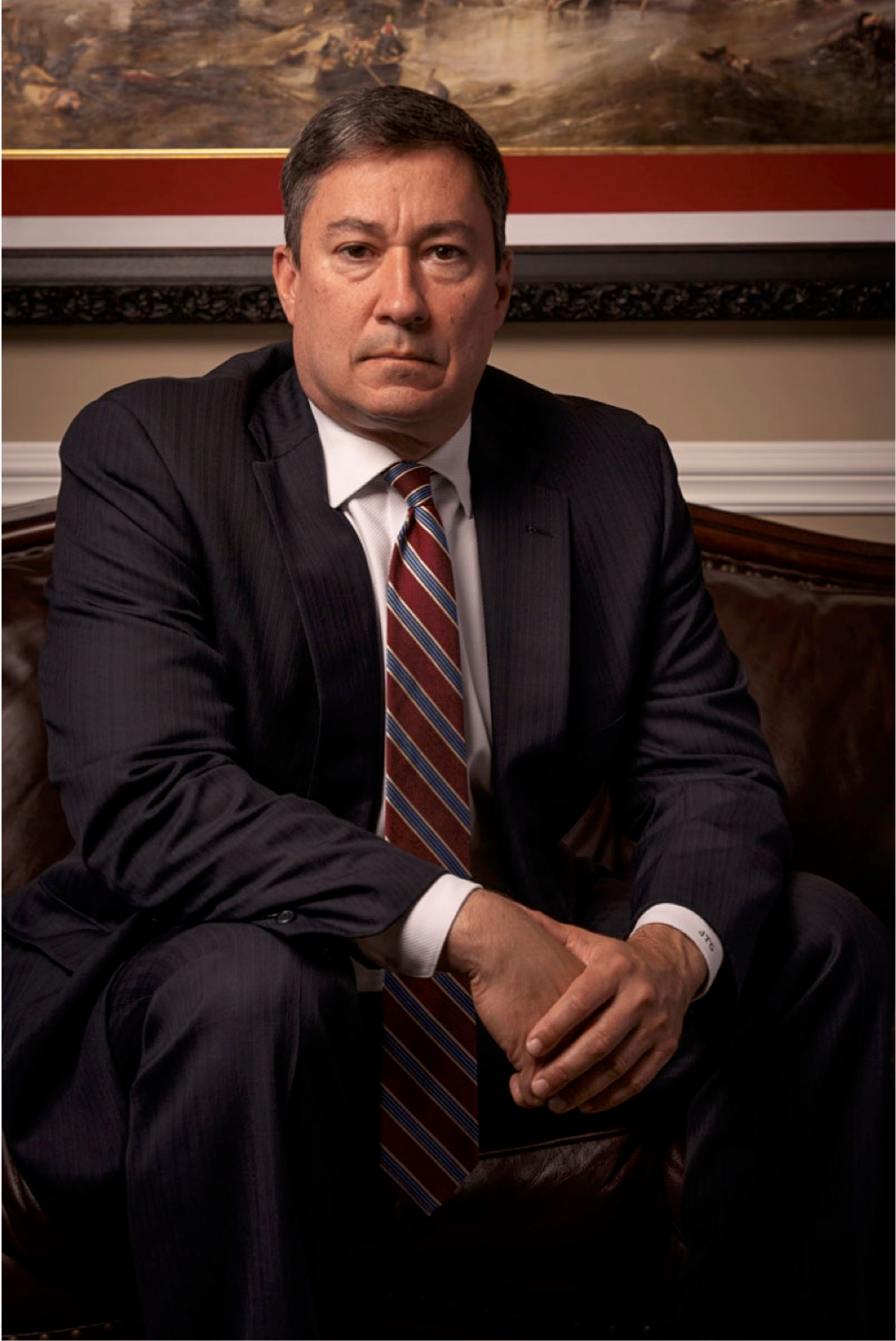
Jeff T. Gorman
Jeff T. Gorman
Founding Attorney · FL Bar #538183
100+
Felony Jury Trials
19th
Circuit Former Prosecutor
4.9★
Google Rating · 260+ Reviews
“I prosecuted more felony jury trials than any other attorney in the 19th Circuit. I know exactly how the State builds its case — and exactly how to take it apart.”
What Makes Criminal Appeals Succeed or Fail
Preservation of error: most appellate issues must have been properly raised and objected to at trial or they are waived forever on appeal
Standard of review: appellate courts give significant deference to trial court rulings, requiring more than mere disagreement to achieve reversal
Harmless error doctrine: even proven legal errors may not result in reversal if the appellate court finds they did not affect the outcome
Strict procedural deadlines that cannot be extended except in the most extraordinary circumstances
The need for appellate-specific skill: different from trial practice in research depth, written advocacy, and legal argumentation style

What the Evidence Shows —
and Where It Can Be Challenged

Criminal appeals are a fundamentally different discipline from trial work. They require deep and precise legal research, identification of preserved trial court errors, persuasive written advocacy at the appellate level, and an understanding of how Florida’s District Courts of Appeal actually analyze and decide criminal cases. Not every trial attorney handles appeals well. Not every appellate attorney has tried cases. The strongest criminal appeal comes from an attorney who has done both.

Jeff Gorman’s background — federal judicial clerkship at the U.S. District Court level, prosecutorial trial experience across multiple Florida counties handling the most serious felony cases, and private criminal defense practice — provides the combination of appellate legal analysis and trial-level understanding that effective criminal appeals require. We handle direct appeals, Rule 3.850 post-conviction motions, federal habeas corpus petitions, and sentence modification proceedings.

⚖️ Florida Criminal Appellate Process — Key Mechanisms
Direct Appeal: filed within 30 days of sentencing in Florida’s District Court of Appeal for circuit court convictions. Florida Rule of Criminal Procedure 3.800: motion to correct an illegal sentence — no time limit for truly illegal sentences. Florida Rule of Criminal Procedure 3.850: post-conviction motion for claims not addressable on direct appeal including ineffective assistance of counsel, newly discovered evidence, and Brady violations — 2-year deadline from final judgment. Federal Habeas Corpus (28 U.S.C. §2254): filed in federal court after exhausting all state remedies, within 1 year of the state court judgment becoming final. Florida Supreme Court: discretionary review of DCA decisions; mandatory jurisdiction in death penalty cases.
Florida Rule of Appellate Procedure 9.140 · Florida Rule of Criminal Procedure 3.850 · Florida Rule of Criminal Procedure 3.800 · 28 U.S.C. §2254 (Federal Habeas Corpus)

How We Fight This Charge

Trial Court Legal Error
We review the entire trial record for improper evidentiary rulings, erroneous jury instructions, denial of dispositive motions, and other reversible legal errors that were preserved below.
Ineffective Assistance (3.850)
When trial counsel’s errors fell below professional standards and affected the outcome, post-conviction relief through a Rule 3.850 motion may be available and should be pursued.
Brady / Giglio Violations
When the prosecution suppressed exculpatory evidence or failed to disclose impeachment material, the conviction can be challenged on fundamental fairness and due process grounds.
Sentencing Errors
Improper scoresheet calculations, unlawful sentences, incorrect application of mandatory minimums, and legally infirm departure reasons are all independently appealable.
Newly Discovered Evidence
Evidence not available at trial that could not have been discovered with due diligence may support a motion for new trial and, in some cases, actual innocence claims.
Federal Habeas Corpus
When state courts have denied relief, federal habeas corpus under 28 U.S.C. §2254 provides an additional avenue for constitutional claims that were properly exhausted in state court.
Notable Results
REVERSED
Conviction Reversed · Improper Jury Instruction · District Court of Appeal
RELIEF GRANTED
Rule 3.850 · Ineffective Assistance of Counsel · New Trial Ordered
SENTENCE REDUCED
Rule 3.800 · Illegal Sentence Corrected · Resentencing Ordered

Past results do not guarantee a similar outcome. Case details available upon request.

Common Questions

Criminal Appeals Attorney FAQ

What is the deadline to file a criminal appeal in Florida? +
In Florida, a direct appeal from a criminal conviction must be filed within 30 days of the rendition of the judgment and sentence. Missing this deadline is fatal to your right to direct appeal. Post-conviction motions under Florida Rule of Criminal Procedure 3.850 must generally be filed within 2 years of the judgment and sentence becoming final, or 2 years of the issuance of the mandate on direct appeal. These deadlines are strictly enforced without exception.
What can be appealed after a criminal conviction in Florida? +
Criminal appeals in Florida can address: errors of law made by the trial court including improper jury instructions, erroneous evidentiary rulings, and denial of dispositive motions; constitutional violations including Brady violations for suppressed exculpatory evidence, ineffective assistance of counsel, and denial of confrontation rights; sentencing errors including improper scoresheet calculation, unlawful sentences, and improper departure reasons; and newly discovered evidence not available at trial.
What is a 3.850 motion in Florida? +
Florida Rule of Criminal Procedure 3.850 provides the mechanism for post-conviction relief based on grounds that could not have been raised on direct appeal — most commonly ineffective assistance of trial counsel. To succeed, you must show that counsel's performance fell below an objective standard of reasonableness AND that the deficient performance prejudiced the outcome of the proceeding. A 3.850 motion must be filed in the court where the conviction occurred within 2 years of the sentence becoming final.
What is a Brady violation in a criminal case? +
A Brady violation occurs when the prosecution fails to disclose evidence that is material and favorable to the defense — including evidence that tends to prove innocence (exculpatory evidence) or evidence that could be used to impeach a prosecution witness (impeachment evidence). Brady v. Maryland (1963) requires disclosure of this evidence regardless of whether the defense specifically requests it. A Brady violation discovered after trial can form the basis for post-conviction relief and a new trial.
Free Consultation · 24/7

Wrongly Convicted or
Improperly Sentenced?
The Window Is Open — But Not for Long.

The 30-day direct appeal deadline and the 2-year Rule 3.850 deadline are absolute. Call (772) 888-8888 immediately after conviction or sentencing. Jeff Gorman’s federal judicial clerkship and trial experience combine directly in the appellate context.

Free initial consultation does not create an attorney-client relationship. Past results do not guarantee a similar outcome. Florida Bar Rules 4-7.1 through 4-7.20 apply.