
Criminal Defense · Jeff T. Gorman Law Offices

Florida Felony Defense
More Felony Jury Trials Than Any Other
Prosecutor in the District — Now Your Defense.

Jeff Gorman tried more felony cases to jury verdict than any other attorney in the 19th Judicial Circuit during his time as a prosecutor. First-degree murder. DUI manslaughter. Drug trafficking. Violent felonies across multiple Florida counties. That depth of trial experience — built from seeing exactly how the State constructs and presents felony cases — is now entirely dedicated to your defense.
Felony Charges Require a Trial-Ready Attorney — Call (772) 888-8888 Now
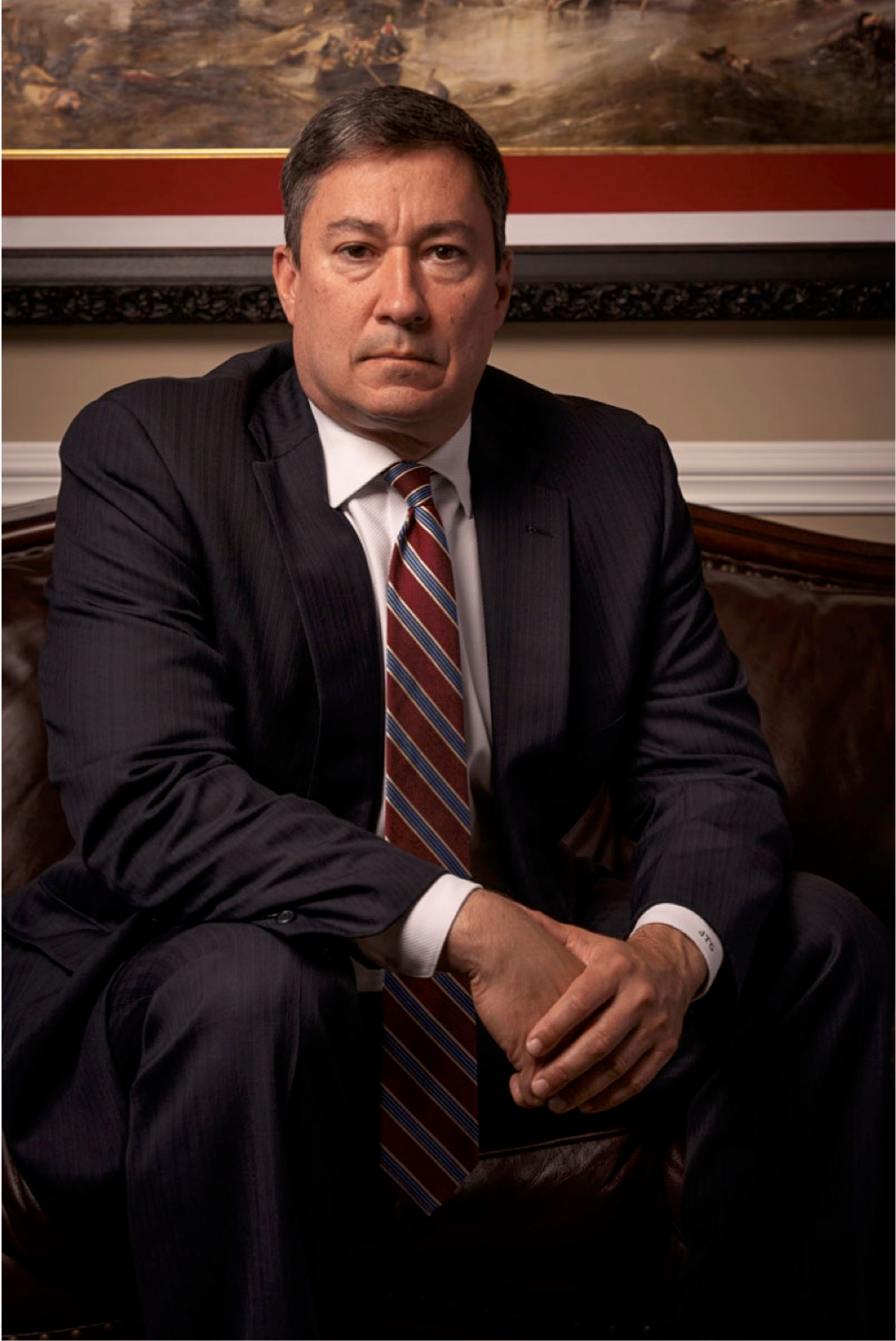
Jeff T. Gorman
Jeff T. Gorman
Founding Attorney · FL Bar #538183
100+
Felony Jury Trials
19th
Circuit Former Prosecutor
4.9★
Google Rating · 260+ Reviews
“I prosecuted more felony jury trials than any other attorney in the 19th Circuit. I know exactly how the State builds its case — and exactly how to take it apart.”
What the State Brings to a Felony Case
A State Attorney’s Office with dedicated felony prosecutors, investigators, and victim advocates working every case
Florida’s Criminal Punishment Code scoresheet that can generate presumptive prison sentences even for first offenses
Mandatory minimum sentencing laws — 10-20-Life, drug trafficking minimums — that remove judicial discretion entirely
Thorough pre-charging investigation: by the time you’re arrested, prosecutors often have significant evidence already assembled
Victim advocates who prepare alleged victims throughout the process and are present at every court proceeding

What the Evidence Shows —
and Where It Can Be Challenged

A felony conviction in Florida carries consequences that extend decades beyond the prison sentence itself. Felons lose the right to vote, own firearms, serve on juries, hold certain professional licenses, and access federal benefits including student loans. A felony record follows you to every job application, every housing application, and every background check for the rest of your life.

Jeff Gorman tried more felony cases to verdict than any other attorney in the 19th Judicial Circuit during his prosecutorial career — including First Degree Murder, DUI Manslaughter, major drug trafficking, and violent felonies across multiple counties. He understands how felony cases are built, what the prosecution considers a strong case versus a weak one, and where skilled defense work genuinely changes outcomes. Every felony case we take is prepared as if it is going to trial. That preparation is what creates leverage at every stage — including negotiation.

⚖️ Florida Felony Law — Degrees, Sentences & Enhancements
Florida felony sentencing is governed by the Criminal Punishment Code (Florida Statutes §921.0022-921.0027), which scores the primary offense and any prior record to generate a minimum sentence. Judges may depart below the guidelines only in limited circumstances with written findings. Key enhancements: Florida Statute §775.087 (10-20-Life for firearm use in designated felonies), Florida Statute §775.084 (Prison Releasee Reoffender, Habitual Offender, Violent Career Criminal designations that dramatically increase sentencing exposure), and various crime-specific mandatory minimums. Withhold of adjudication is available for some felonies and preserves the ability to seal or expunge the arrest record.
Florida Statutes §775.082-775.084 (Felony Penalties & Enhancements) · Florida Statute §775.087 (10-20-Life) · Florida Statute §921.002 (Criminal Punishment Code)

How We Fight This Charge

Prepare Every Case for Trial
The State knows which defense attorneys actually go to trial. That reputation — earned in the same courtrooms — changes the negotiating dynamic from the very first hearing.
Scoresheet Analysis
Florida’s Criminal Punishment Code scoresheet directly drives sentencing exposure. We scrutinize every prior conviction used for scoring and challenge any that can be legally excluded.
Suppression Motions
Evidence obtained through unlawful stops, searches, or interrogations can be suppressed. Without that evidence, many felony cases cannot proceed to trial.
Avoiding Mandatory Minimums
We analyze every charge and every enhancement for legal applicability and challenge any that are legally unsupportable. Avoiding a mandatory minimum is often the most important victory in a case.
Witness Challenges
Eyewitnesses, jailhouse informants, and co-defendant testimony are common in felony cases — and frequently unreliable. We expose these weaknesses for the jury.
Negotiated Disposition
When trial is not the right path, we negotiate from genuine trial readiness — the strongest negotiating position in any felony case.
Notable Results
NOT GUILTY
First Degree Murder · Jury Trial · 19th Circuit
ACQUITTED
First Degree Attempted Murder with Firearm · Jury Trial
DISMISSED
Felony Charges · Evidence Suppressed · Pre-Trial Motion

Past results do not guarantee a similar outcome. Case details available upon request.

Common Questions

Felony Defense Attorney FAQ

What are the degrees of felonies in Florida? +
Florida has five felony degrees: Capital Felony (death penalty or life imprisonment), Life Felony (life imprisonment, $15,000 fine), First-Degree Felony (up to 30 years, $10,000 fine), Second-Degree Felony (up to 15 years, $10,000 fine), and Third-Degree Felony (up to 5 years, $5,000 fine). Many offenses carry enhanced penalties for weapon use, victim vulnerability, or prior criminal history under Florida's Criminal Punishment Code.
What is Florida's 10-20-Life law? +
Florida Statute §775.087 (10-20-Life) imposes mandatory minimum sentences when a firearm is used in certain felonies: 10 years for possessing a firearm during the offense, 20 years for discharging the firearm, and 25 years to life for discharging a firearm that causes death or great bodily harm. These minimums cannot be reduced by the judge. Avoiding the application of 10-20-Life is often the central strategic goal in any case involving alleged firearm use.
How does Florida's Criminal Punishment Code affect felony sentencing? +
Florida's Criminal Punishment Code assigns points to the current offense and any prior criminal record. Once the total exceeds 44 points, a prison sentence is presumptive. Judges may depart downward from the guidelines only in narrow, legally defined circumstances. An experienced attorney analyzes the scoresheet from the outset and pursues every available avenue to reduce the point total — including challenging prior convictions used for scoring.
Can a felony be reduced to a misdemeanor in Florida? +
Yes, in some circumstances. A wobbler offense may be charged as either felony or misdemeanor at the prosecutor's discretion. Charges may also be reduced through negotiation. In some cases, a withhold of adjudication on a felony allows a defendant to avoid a formal conviction — preserving certain rights including the right to own a firearm under Florida law, though federal law considerations apply separately.
Free Consultation · 24/7

Felony Charges Demand
an Attorney Who Has Tried Them.

Jeff Gorman tried more felony cases to verdict than any other attorney in this district. That record isn’t a credential on a wall — it’s the reason the other side takes our cases seriously from the first hearing. Call now.

Free initial consultation does not create an attorney-client relationship. Past results do not guarantee a similar outcome. Florida Bar Rules 4-7.1 through 4-7.20 apply.